
La casa de la playa nunca estuvo a mi nombre.
Durante años, permití que mi hija, Laura, creyera que lo era. Evitaba discusiones—tras su divorcio, cuando volvió a vivir "temporalmente", cuando empezó a tomar decisiones como si todo le perteneciera por defecto.
Esa casa había sido el proyecto final de mi marido antes de que falleciera. Y había sido muy preciso con el abogado.
Mientras Laura celebraba su venta, llamé a Héctor Salinas, el notario que había gestionado mis asuntos durante más de dos décadas.
"Ha pasado", le dije. "Tal y como esperábamos."
"Entonces mañana lo entenderá", respondió.
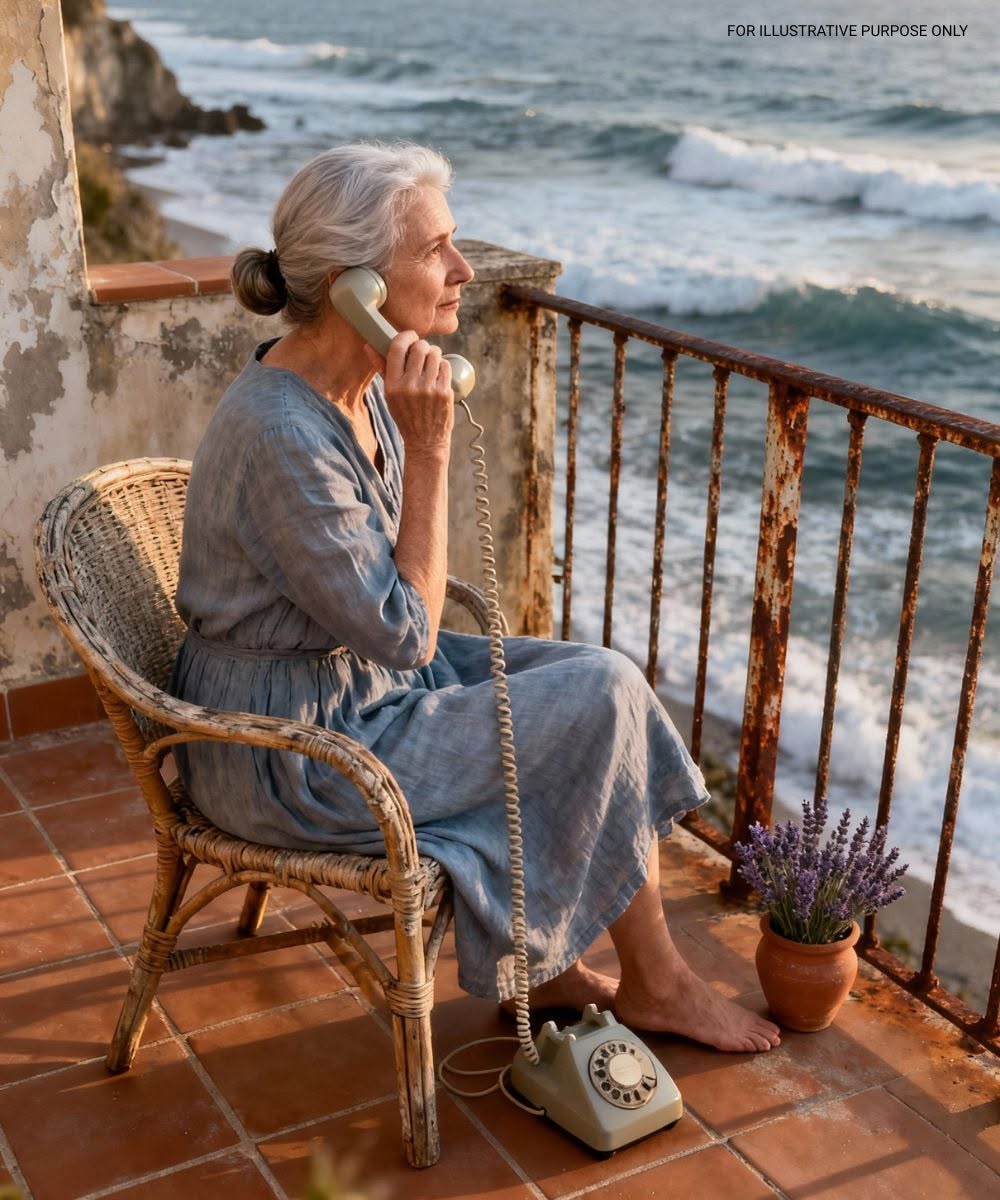
I looked out at the water and took a slow breath. I didn’t feel anger—just a quiet certainty, the kind that comes when you know you did the right thing, even if no one else sees it yet.
Selling something that isn’t yours is easy—until the paperwork tells a different story.
The next morning, Laura called again. This time, her voice shook.
“Mom… there’s a problem,” she said. “The buyer can’t complete the deal. The notary says something’s wrong.”
“It’s not wrong,” I answered. “It’s simply the truth.”
I explained that the house was registered under a family company my husband had created before his death. I wasn’t the owner—only the lifetime administrator.
“But I signed everything,” she protested. “The agent said it was fine.”
“You signed what didn’t belong to you,” I replied. “And that has consequences.”
Intentó justificarse—dijo que necesitaba el dinero, que el viaje importaba, que apenas usaba la casa ya. No levanté la voz.
"Nunca te dije que era tuyo", dije en voz baja. "Simplemente no te he corregido."