
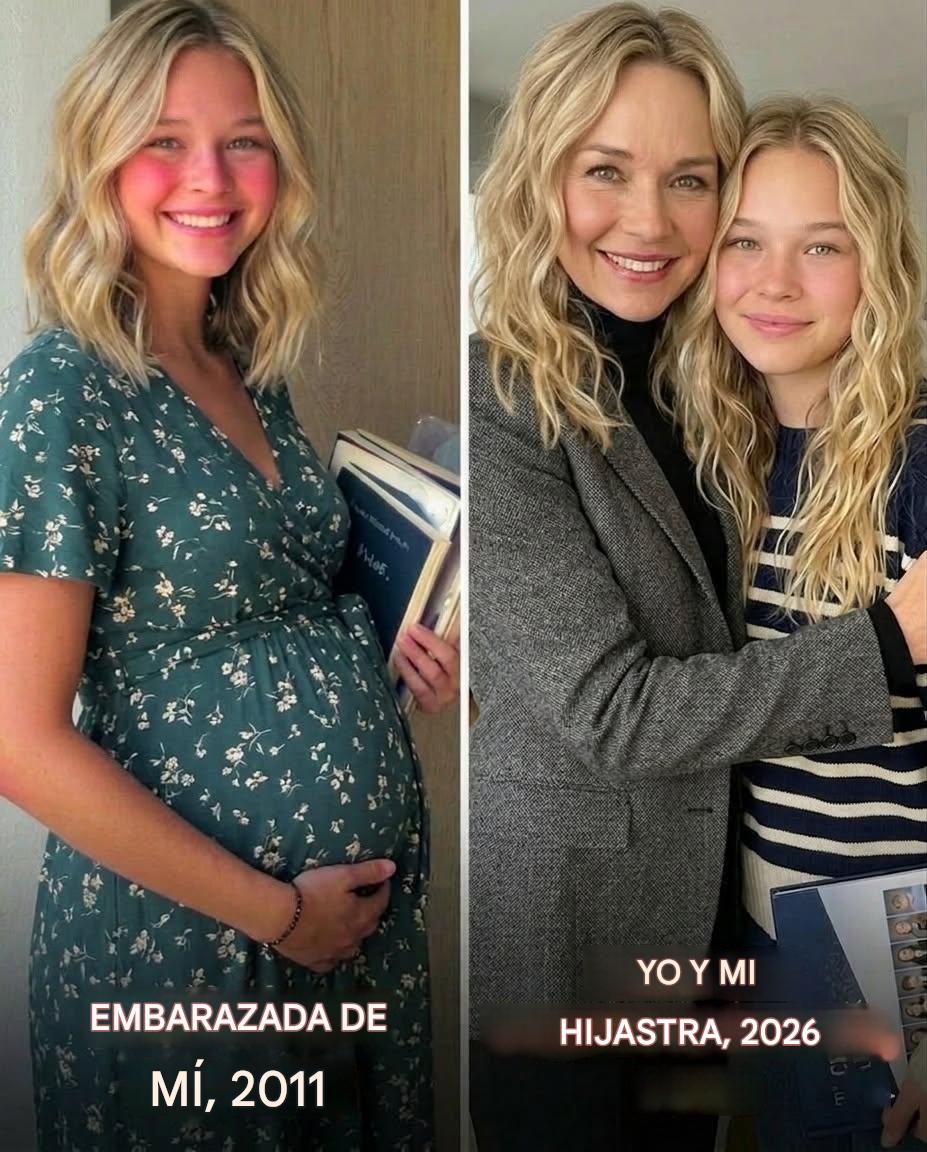
That night I wrote her a letter—four pages long—telling the entire truth. Every detail about what had happened when I was 17. I slid it under her door before going to bed.
She never told me if she read it.
But by morning, the letter was gone.
Everything shifted last Saturday.
Susan had left for school that morning during the heavy silence that followed the edge of an argument that never quite happened. She grabbed her bag and walked out before it could begin.
The door slammed behind her.
Five minutes later, I noticed the lunch I had packed sitting on the kitchen counter. Without thinking, I grabbed it and hurried after her, the way mothers instinctively do.
She was already half a block ahead, headphones on, walking fast without turning around.
I crossed the driveway toward the sidewalk, calling her name over the noise of the morning traffic.
Then a car sped out of the side street too quickly for either of us to react.
I don’t remember the impact.
I remember the pavement—and then nothing.
I woke briefly inside the ambulance before fading out again.
When I finally surfaced, I was lying in a hospital room. The angle of the sunlight told me that hours had passed.
A nurse explained that I had lost a dangerous amount of blood. My blood type—AB negative—was rare, and the hospital’s supply had been nearly exhausted. The situation had been urgent.
Fortunately, they had found a donor.
Chris stood beside the bed. He looked like someone who had been terrified and was only just beginning to come down from it.
I closed my eyes and tried to speak, but only one word came out like a prayer.
“Susan.”
“She’s in the hallway right now,” Chris said gently. “She’s been sitting there for two hours. She saved your life. She was the donor.”
Susan was sitting in a plastic chair outside my hospital room.