
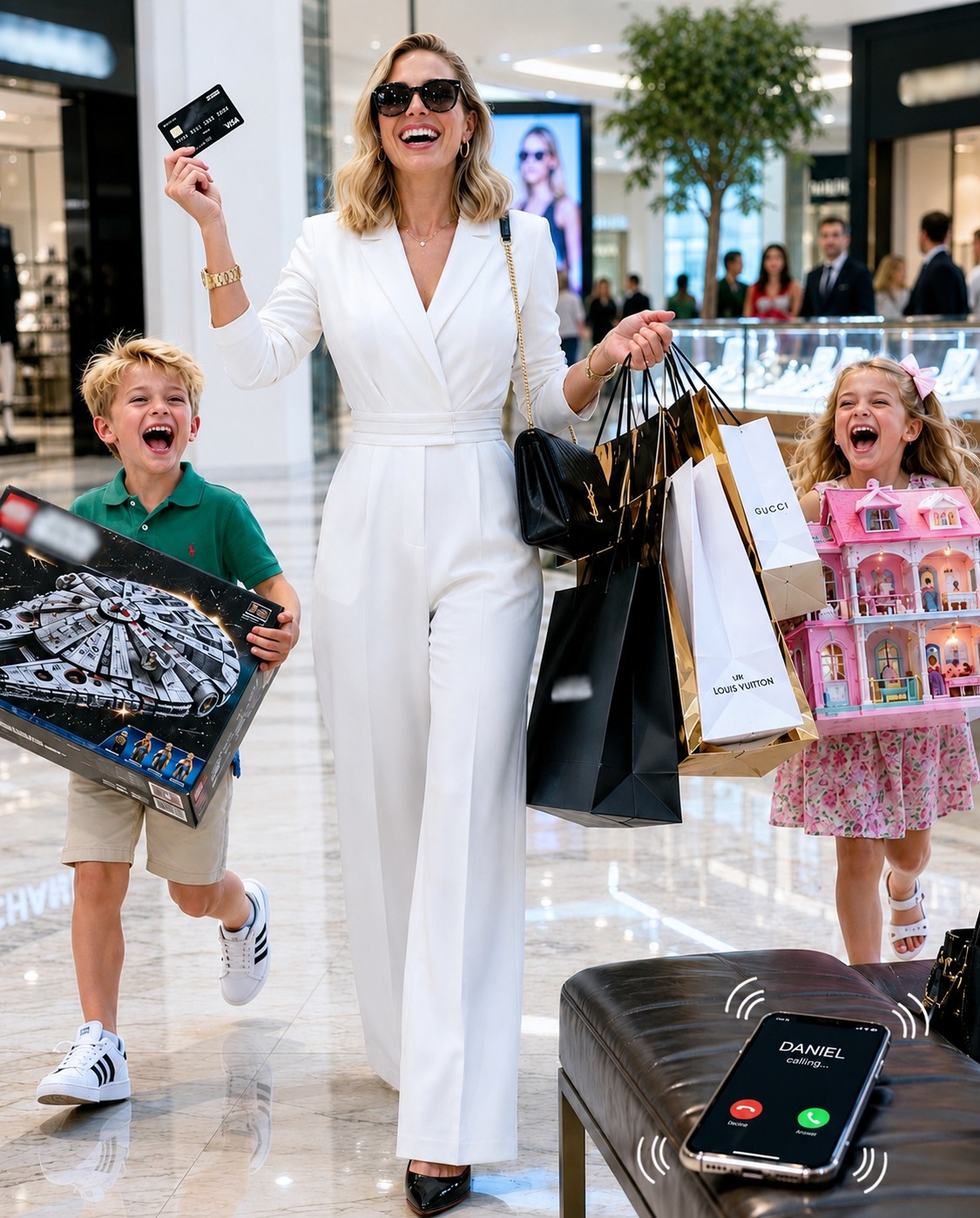
The children sat beside her without hesitation. Within five minutes, Owen was showing her photos of his Lego set, and Lily was asking whether she liked red or pink nail polish better.
Children can cut through adult awkwardness with brutal efficiency.
Daniel watched me quietly.
“What?” I asked.
“You came.”
“Don’t get used to being forgiven. I’m still angry.”
“I know.”
“And you will tell me everything. Every detail. No cutting scenes, no edited dialogue, no condensed version of traumatized-man behavior.”
“I will.”
“And then we’ll talk about trust. About partnership. About how marriage is not hiding a fire because you’re afraid someone will see your burns.”
He nodded.
“You’re right.”
“I know.”
His father died early Monday morning.
He died before fully waking, with no grand apology, no cinematic redemption, no final speech that made the pain easier to carry. And maybe that was the most honest part. Not every wound heals beautifully. Some only stop bleeding in one place and start aching in another.
Daniel cried in the hospital corridor, sitting on the floor with his elbows on his knees and his face in his hands.
I sat beside him.
Not to excuse him.
Not to pretend nothing had happened.
I sat there because adult love is sometimes exactly that: remaining beside someone while you are still picking up the broken plate they dropped.
After a long while, he spoke without looking at me.
“I didn’t know I was still a son.”
I breathed in slowly.
“We don’t stop being something just because the other person failed at their role.”
He cried harder.
And I let him.
The funeral was simple.
Hannah had no one left.